

Businesses that still treat SEO, paid ads, social media, and content as separate efforts are operating with a structural disadvantage.
The data reflects this shift. Search engines still drive the majority of web traffic, accounting for over 90% of site visits, while nearly all consumers check a company’s online presence before engaging.
At the same time, social platforms, paid media, and email are competing for the same user attention, often within the same buying journey.
This is why full-service strategy is no longer optional. It is the only way to align visibility, acquisition, and conversion into a single system.
The Shift From Channels to Systems
The biggest change heading into 2026 is how marketing is structured.
Previously, businesses could rely on one dominant channel. Today, that approach breaks down because user behavior is fragmented. A typical customer might discover a brand on social media, search for it on Google, click a paid ad, and convert through email.
Each of these steps is connected. If one fails, the entire funnel weakens.
Why Single-Channel Strategies Fail
The problem with isolated channels is not performance. It is lack of continuity.
SEO might drive traffic, but without conversion-focused landing pages, that traffic does not turn into revenue. Paid ads might generate leads, but without follow-up systems, those leads do not convert. Social media might create visibility, but without integration into search and content, it does not scale.
This fragmentation leads to inefficiency.
Only around 60% of marketers believe their strategies are effective, which highlights how common these gaps are.
Full-Service Means Alignment
A full-service strategy connects all major components:
- Organic search (SEO)
- Paid media (PPC and social ads)
- Content marketing
- Email and retention
- Conversion optimization
The goal is not to do more. It is to make each channel reinforce the others.
For example, SEO data informs paid keyword targeting. Paid campaigns test messaging that feeds back into content. Email captures and converts traffic generated from both.
This creates a loop rather than a set of disconnected efforts.
Media Buying as a Core Performance Driver
Media buying has become one of the most critical components of digital marketing in 2026. As competition increases and ad costs rise, efficiency depends on how budgets are allocated and optimized.
Digital ad spending continues to grow globally, with hundreds of billions of dollars flowing into online advertising annually.
At the same time, social media alone accounts for a significant share of total ad spend, with budgets continuing to increase year over year.
This level of investment means that poor media buying decisions have direct financial consequences.
Media Planning vs Media Buying
Media planning and media buying are often used interchangeably, but they serve different roles.
Media planning focuses on strategy. It determines where, when, and how ads should be placed based on audience behavior, budget, and campaign goals.
Media buying is execution. It involves purchasing ad space, managing bids, optimizing placements, and adjusting budgets in real time.
Agencies operating at scale emphasize how tightly these two functions need to be connected. As Good Apple describes it, the best approach for media planning and buying agencies is built around “developing custom cross-channel solutions” and executing across channels where “if you approve it, we can buy it”.
That combination reflects the real structure of modern media operations, planning defines the system, and buying activates it across platforms, with approval.
In a full-service strategy, both functions must work together. Planning defines the structure. Buying ensures performance.
Precision Over Volume
In earlier stages of digital advertising, scale was the primary goal. More impressions meant more opportunity.
In 2026, that model is inefficient.
Modern media buying focuses on precision:
- Targeting specific audience segments
- Adjusting bids based on performance data
- Optimizing creative based on engagement metrics
- Allocating budget dynamically across platforms
This is necessary because ad platforms have become more competitive and algorithm-driven. Spending more without optimizing leads to diminishing returns.
Cross-Channel Media Integration
Media buying is no longer limited to a single platform.
Campaigns now run across search, social, display, and video simultaneously. Each platform serves a different role in the funnel.
Search captures intent. Social drives discovery. Display reinforces brand visibility. Video builds engagement.
A full-service strategy ensures these channels are coordinated rather than competing.
SEO and Organic Visibility Still Anchor Strategy
Despite the growth of paid media and social platforms, SEO remains a foundational component.
Search continues to be one of the highest-intent channels. Users searching for products or services are already in decision mode.
Local search is particularly important. Nearly half of all Google searches have local intent, and a large percentage of mobile users act on those searches quickly.
SEO as a Data Source
SEO is not just a traffic channel. It is a data source.
Search queries reveal what users are actively looking for. This data informs content strategy, paid campaigns, and product positioning.
In a full-service model, SEO insights are used across all channels.
AI and Search Evolution
Search is also changing due to AI.
Answer engines and AI-generated results are reshaping how users find information. This requires businesses to focus on structured, authoritative content that can be surfaced in these environments.
Static content strategies are no longer sufficient. Continuous optimization is required.
Social Media as a Discovery Engine
Social media has evolved beyond brand awareness. It is now a primary discovery channel.
A large portion of product discovery happens on social platforms, and in some demographics, social search is preferred over traditional search engines.
Short-form video has emerged as a dominant format, with high engagement and strong conversion potential.
Social as a Revenue Channel
Social commerce is growing rapidly, with projections showing trillions of dollars in sales driven directly through social platforms.
This means social media is no longer just top-of-funnel. It contributes directly to revenue.
Integration With Paid and Content
Social works best when integrated with other channels.
Content created for social can be repurposed for paid campaigns. Paid campaigns can amplify high-performing organic content. SEO content can be distributed through social channels to increase reach.
This integration increases efficiency and reduces content production costs.
Email and Retention Strategy
While newer channels receive more attention, email remains one of the highest-performing components of digital marketing.
Email marketing consistently delivers strong ROI, with estimates around $36 returned for every $1 spent.
Role in the Full Funnel
Email operates across multiple stages:
- Capturing leads
- Nurturing prospects
- Driving repeat purchases
It is one of the few channels businesses fully control, without reliance on external platforms or algorithms.
Automation and Personalization
Modern email strategies rely on automation.
Behavior-based triggers, segmentation, and personalized content improve engagement and conversion rates. This aligns with broader trends toward data-driven marketing.
Data, AI, and Continuous Optimization
Digital marketing in 2026 is driven by data.
AI tools are now used by a majority of marketing teams to improve targeting, personalization, and performance.
This changes how strategies are built and maintained.
Real-Time Decision Making
Campaigns are no longer static.
Performance is monitored in real time, and adjustments are made continuously. This includes:
- Budget reallocation
- Creative testing
- Audience targeting adjustments
This level of responsiveness is necessary in a competitive environment.
Measuring What Matters
One of the ongoing challenges is measurement.
A large percentage of marketers still struggle to accurately measure ROI across channels.
A full-service strategy addresses this by integrating analytics across all platforms, creating a unified view of performance.
Conclusion
Digital marketing in 2026 is defined by integration, not specialization.
Businesses that rely on isolated channels face inefficiencies, missed opportunities, and inconsistent performance. A full-service strategy connects SEO, paid media, social, content, and email into a single system.
Media planning and media buying ensure budgets are used effectively. SEO anchors visibility. Social drives discovery. Email converts and retains.
The common factor is alignment.
As competition increases and user behavior becomes more complex, the advantage shifts to businesses that treat marketing as a coordinated system rather than a collection of tactics.
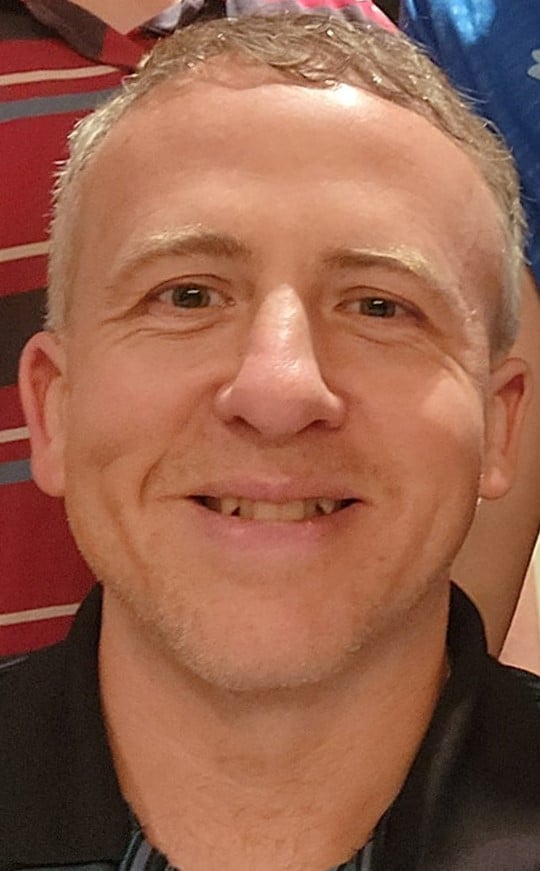
Jonathan Crain has written hundreds of website design and marketing article blog posts.
He is the sole owner of Pittsburgh SEO Services LLC which is a small business in Pittsburgh PA that specializes in affordable wordpress websites and digital marketing campaigns. Jonathan Crain has a marketing degree specializing in digital marketing and holds multiple internet marketing certifications. Jonathan Crain has over 25 years of experience along with managing hundreds of website projects and marketing campaigns. He also has won a variety of awards over the years from Tribune Review, Post Gazette and other publications.